The Strength of European Domestic Competitions
European football remains the center of the global game, with domestic leagues that attract worldwide attention every season. Across the continent, competitions combine historic clubs, strong supporter cultures and a constant flow of talented players.
Leagues such as the Premier League in England, La Liga in Spain, the Bundesliga in Germany, Serie A in Italy and the Ligue 1 in France have long been considered among the most competitive and influential leagues in world football.
These championships not only showcase world-class players but also set tactical and sporting trends that influence the global game.
Talent Development Across Europe
Another key aspect of European leagues is their ability to develop young players. Training academies and club infrastructures play an essential role in shaping the next generation of football talent.
Leagues such as the Belgian Pro League have earned a strong reputation for providing opportunities to emerging players, many of whom later move to bigger European clubs.
Meanwhile, competitions in Central Europe, including the Ekstraklasa, continue to strengthen their position by combining competitive football with passionate supporter cultures.
A Football Culture Followed Worldwide
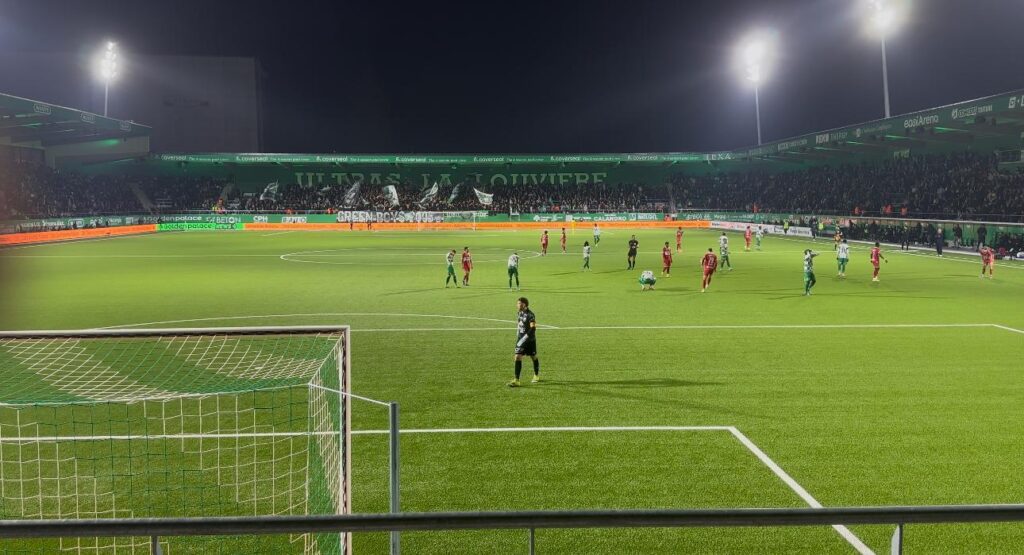
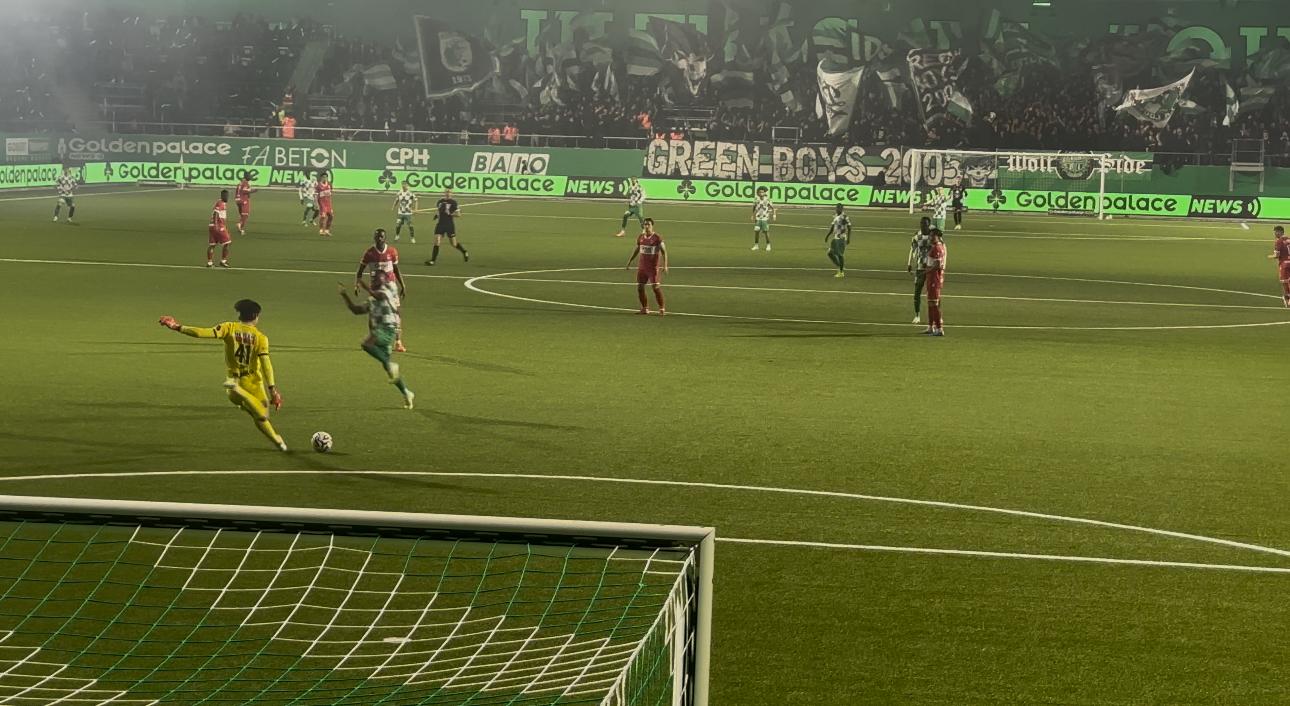
From packed stadiums to intense rivalries, European football offers a unique cultural experience that goes far beyond the results on the pitch.
Each league reflects the identity of its country, whether through playing style, fan traditions or historic clubs.
As global audiences continue to grow, European leagues remain a central pillar of the international football landscape, attracting fans, scouts and media attention from around the world.
The Future of European Football
As the game continues to evolve, European leagues remain essential to the global football ecosystem. Through competitive matches, talent development and passionate supporter cultures, these championships continue to shape the future of football both on and off the pitch.