The Goalkeeper’s Renaissance
The position of goalkeeper has undergone a seismic transformation in recent years. No longer confined to their penalty area, modern goalkeepers have become integral components of their team’s attacking play, expected to possess technical abilities that rival outfield players.
The Sweeper-Keeper Phenomenon: Following Pep Guardiola’s revolutionary approaches at Barcelona, Manchester City, and Bayern Munich, goalkeepers now regularly function as a « third defender. » Manuel Neuer pioneered this approach, and today’s elite goalkeepers like Ederson and Alisson operate with remarkable composure in open play.
Technical Demands: Modern goalkeepers must possess elite ball-playing abilities. They distribute from the back with precision, often completing more passes than central midfielders. This requires exceptional first touch, passing accuracy, and decision-making under pressure.
Distribution as Strategy: Teams now design tactical systems around their goalkeeper’s distribution abilities. Liverpool’s high pressing is enhanced by Alisson’s long, accurate passes that bypass midfield lines. Manchester City’s positional play is facilitated by Ederson’s range of passing.
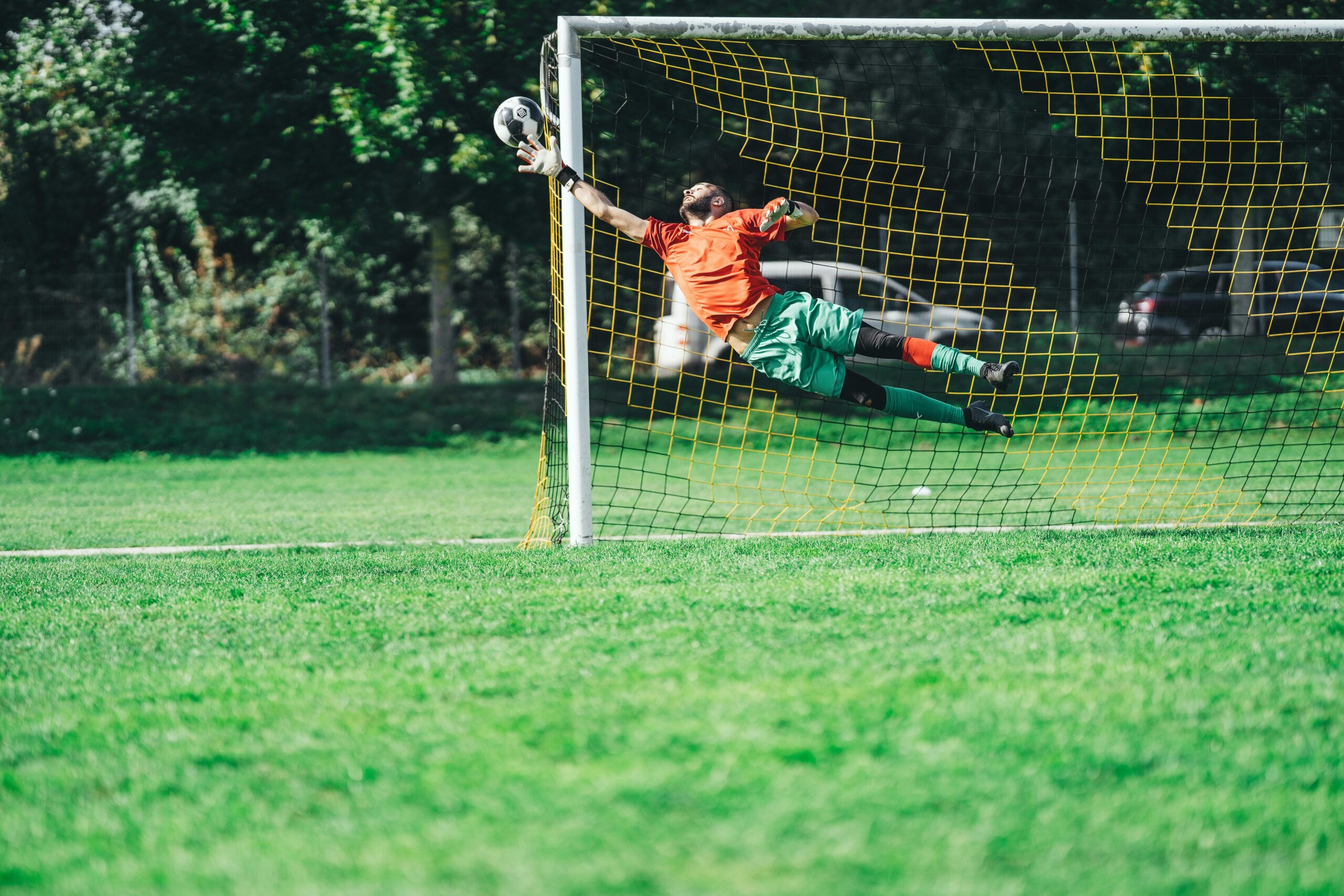
Defensive Evolution: Despite these expanded responsibilities, shot-stopping remains paramount. Modern goalkeepers employ advanced positioning techniques and exceptional reflexes. Their angles are calculated precisely to maximize coverage and minimize rebound opportunities.
The Complete Goalkeeper: Today’s elite goalkeepers—Ederson, Alisson, Jan Oblak, Gianluigi Donnarumma—represent the complete modern package: exceptional shot-stopping, elite ball-playing, commanding presence, and psychological resilience. The position has never demanded more.